




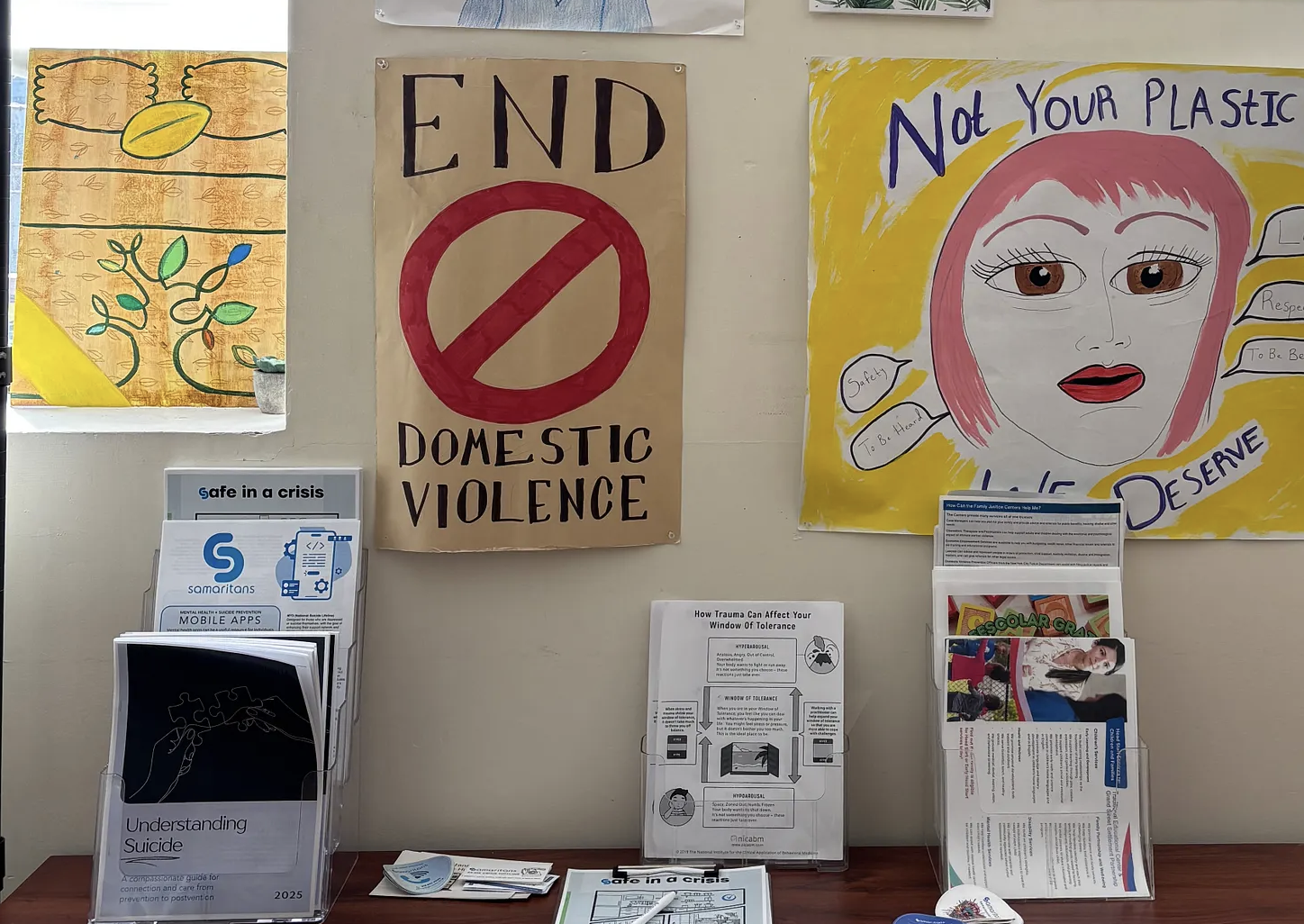
Flyers and advocacy materials at North Brooklyn Coalition’s office. (Courtesy: Leana Pardo, North Brooklyn Coalition)
Federal funding cuts and political pressures are making it harder for rape-crisis centers to support survivors. A center in Brooklyn is feeling that strain.
Since the Trump administration took over in January 2025, North Brooklyn Coalition Against Family Violence lost $250,000 from the National Office of Violence Against Women, which is about a fourth of their funding.
According to Leana Pardo, executive director of North Brooklyn Coalition, the organization decided not to apply for federal funds from the agency, in part, because of language connecting human trafficking to “illegal immigration” and concerns they might be required to disclose sensitive information about clients and their immigration status. Doing so has the potential to violate the rights of domestic and sexual-violence survivors.
The organization also lost $50,000 in funds for culturally specific outreach, which they planned to use for outreach and education in Spanish-speaking communities. This comes amid broader federal attacks on diversity, equity and inclusion.
Serving a community that is about 36% immigrants, Pardo and the board feared their undocumented clientele would be put at risk with the sharing of programmatic data.
And they are not alone.
“The federal government has attempted to put special conditions on the funds,” according to Emily Miles, executive director of Alliance Against Sexual Violence, a New York coalition. The conditions are “being challenged in court because they are illegal,” Miles said, citing the federal Violence Against Women Act, which “has very specific protections for immigrant survivors.”
With federal funds up in the air, New York state has made some efforts to fill this gap, but the impact has been limited. During this year’s funding cycle, the Office of Victims Services received a surge of applications. Many organizations that applied were left without additional funds, including North Brooklyn Coalition.
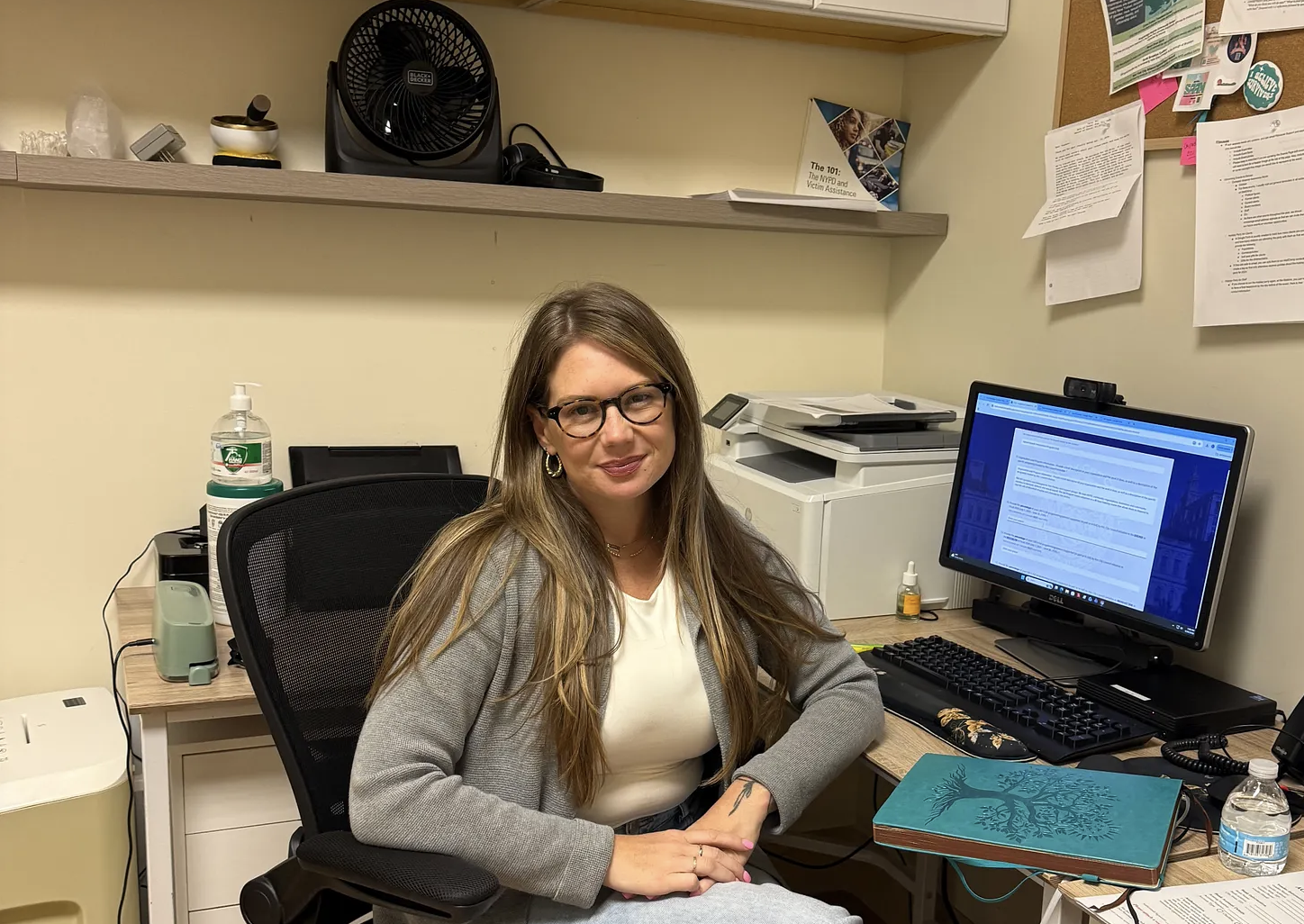
Leana Pardo, executive director of North Brooklyn Coalition (Courtesy: Leana Pardo)
As funding dries up and case numbers rise, staff are stretched thin and waitlists grow.
“We serve about 150 to 200 clients per year,” said Pardo, “and the main point of contact for those clients are case managers. We only have two.”
“We don’t have full-time therapists,” she added. “I don’t want to get the full-time therapist because I’m too scared that I would have to then lay someone off because of funding.”
Zafirah Nicholson, the manager of the rape-crisis center, has taken on three roles to keep the program running. She oversees a cohort of advocates supporting rape kits at hospitals, does sexual assault prevention education at college campuses, and community outreach to inform people of available services.
Nicholson recalls one recent event: “I was just getting off work, making dinner, then a call came in stating that someone reported to the hospital” for a rape kit, she said. “No one was on call that night, so I went. I didn’t get home until like 1 a.m., and then I still had to make it to work the next morning.”
These services are critical, but funding constraints are making them harder to access.
“If you’re sexually assaulted on a Saturday, you finally feel the courage to get help at a rape-crisis center on Wednesday,” Pardo explained. “And we tell you, ‘Hey, you’re going to be on a three-month waitlist for services’ — a week after you’ve been assaulted. It’s just, it’s a shame.”
Staff at Kingsbridge Heights Community Center, which, until recently, was the only certified rape-crisis center in the Bronx, have shared similar concerns.
Clients “reach out to me a lot, asking, ‘When is my child going to be assigned?’” said Carmen Rodriguez, community coordinator and therapist at Kingsbridge. “It’s really hard for me to tell a mom whose child was sexually abused that they have to wait to see a therapist because right now we don’t have the capacity.”
She also noted that when the organization has about 7 to 10 interns who join the rape-crisis program to fulfill practicum requirements for their Master’s or Bachelor’s degree, their waitlists reduce significantly.
Many of these services cannot be found elsewhere.
“Some of our clients don’t feel supported outside of the rape-crisis programs,” Pardo said, “so when they do talk to the police, when they do talk to the DAs, they feel like they’re not being heard.”
The deployment of U.S. Immigration and Customs Enforcement by the Trump administration has made the situation worse.
“We’re dealing with a lot of people that are undocumented,” said Pardo. “They’re not going to shelter because they’re scared that it’s going to get raided by ICE.”
“ICE was spotted at one point near one of the hospitals we work with,” said Nicholson, “With ICE spottings, I’m pretty sure people are not even thinking about reporting and not even looking for services at all.”
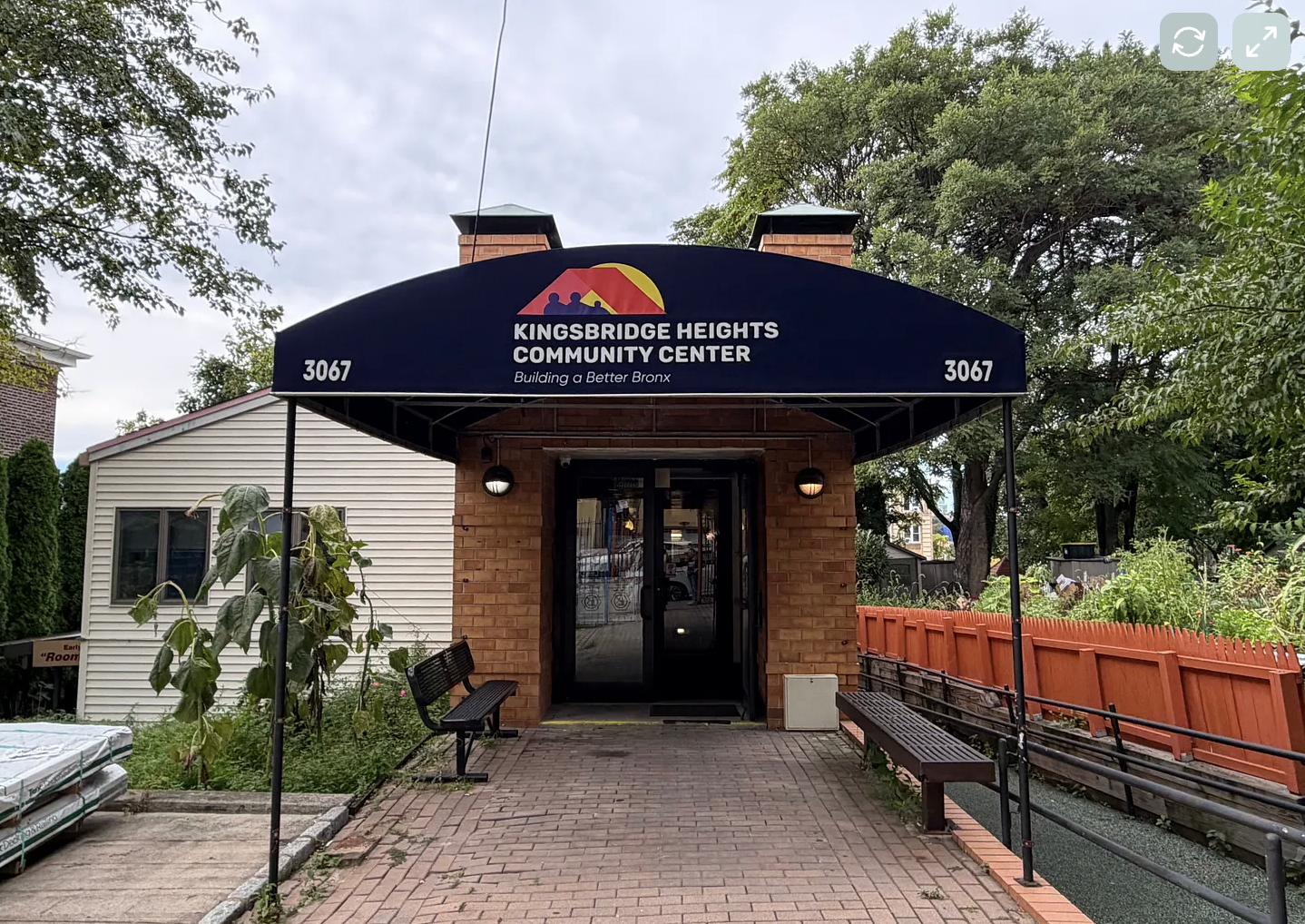
Kingsbridge Heights Community Center’s office in the Bronx (Credit: Nandita Rajshekhar)
Staff at Kingsbridge Heights Community Center have also seen immigrants hesitate to seek services out of fear.
“Anytime the political situation makes immigrants fearful of deportation, we see survivors go underground,” said Sadie Mahoney, chief program officer of youth and family services at Kingsbridge. “We do offer some virtual services, but when your perpetrator is living with you, virtual services can be more dangerous.”
An uncertain time ahead
The state has tried to close the gap, but many say it is not sufficient.
After initial pushback over insufficient funds from the Office of Victims Services, Governor Kathy Hochul’s office identified an additional $36 million to supplement funding shortages. Yet many organizations received a fraction of what they requested, or no funds at all.
“One of my worries is that we won’t be able to keep our [state] certification status as a rape-crisis program,” said Mahoney, who noted Kingsbridge received only a third of the funds they expected from the Office of Victims Services this year. “If we don’t have enough people able to follow up with calls, or even just referrals for therapy, how are we going to keep that certification?”
While supportive services are still available without state certification, the specialized services provided by rape-crisis programs may be in danger.
“When people come to us for a crisis, they don’t only need support for the crisis,” said Rodriguez. “They need housing, they need SNAP” or Supplemental Nutrition Assistance Program, also known as food stamps. “But right now that is not something we can prioritize.”
About the author(s)

Nandita Rajshekhar is a reporter at the Toni Stabile Center for Investigative Journalism at Columbia, covering the nonprofit sector, public health and international affairs.