
Life Goes on in Sunset Park Six Months After Subway Shooting
In the months after one of New York City’s largest mass shootings, discourse continues about the safety of students and teachers in Sunset Park.




In the months after one of New York City’s largest mass shootings, discourse continues about the safety of students and teachers in Sunset Park.
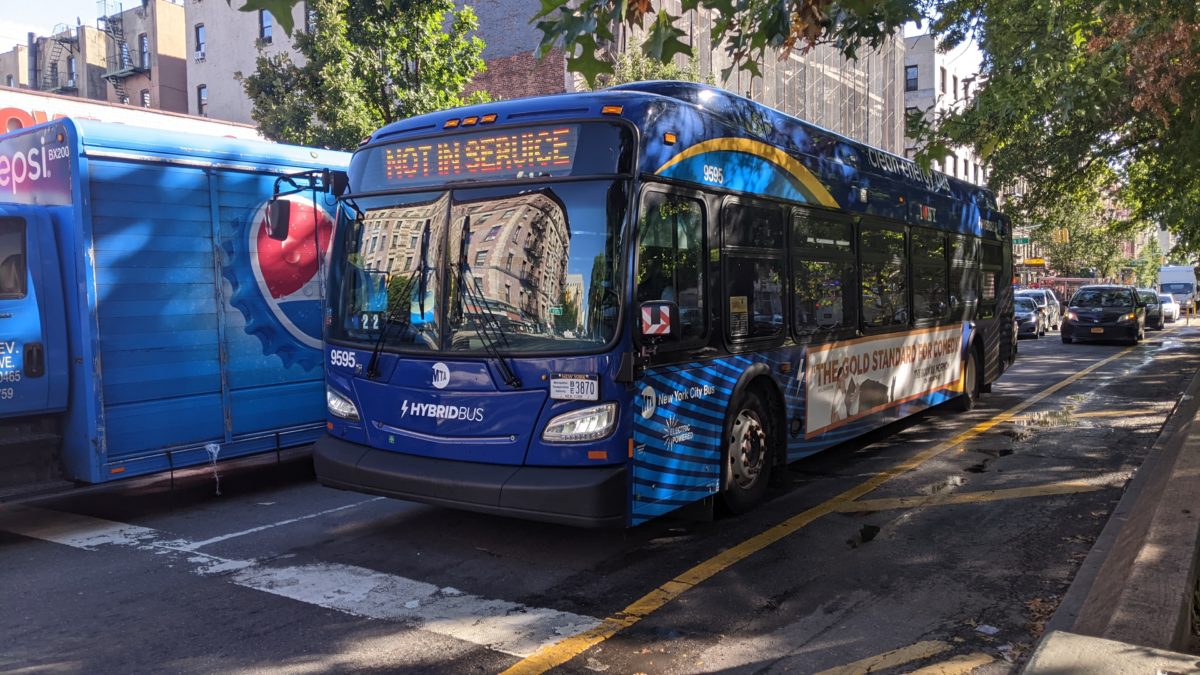
The sentencing was attended by a courtroom full of New York bus drivers, many of whom are concerned about increased crime against city drivers.
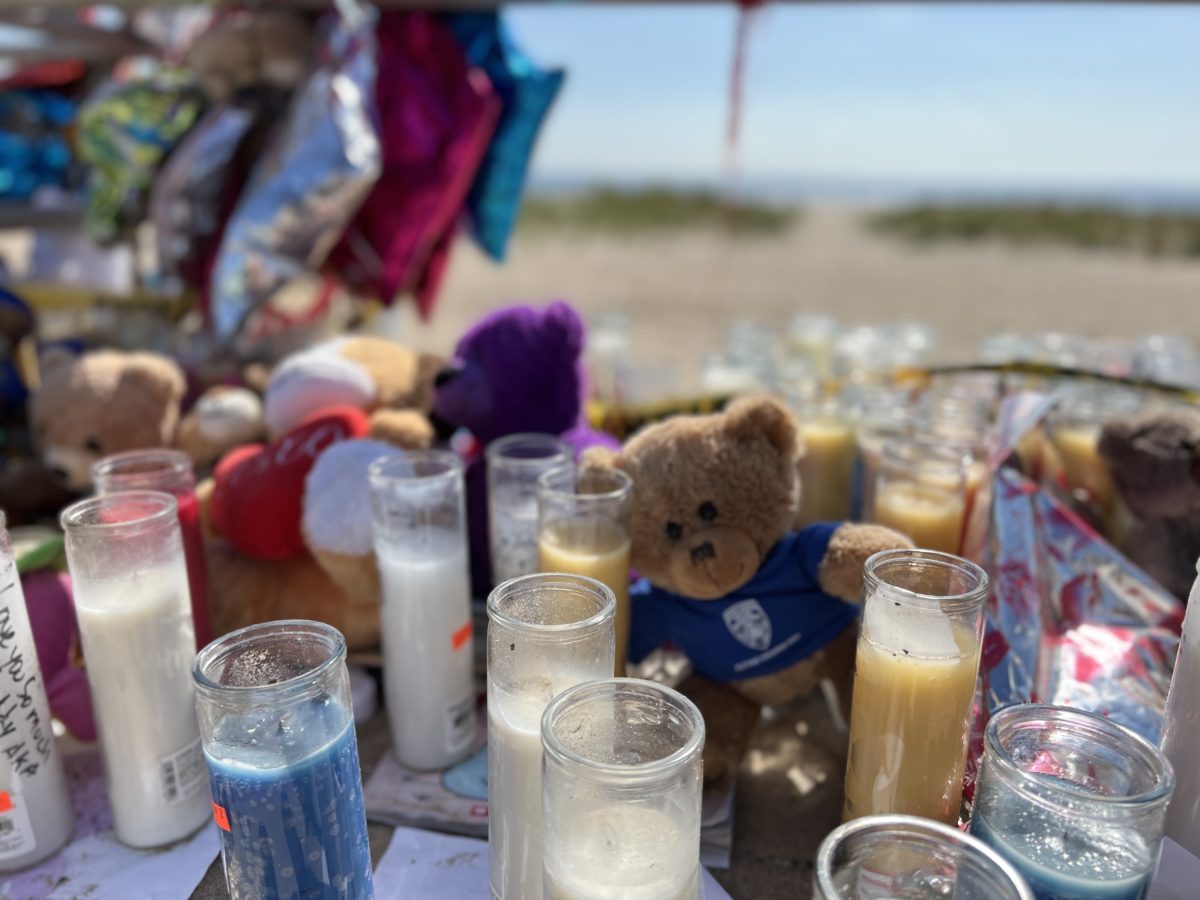
A Kings County Grand Jury voted on Tuesday to indict a mother, accused of drowning her three children, on first degree murder charges.
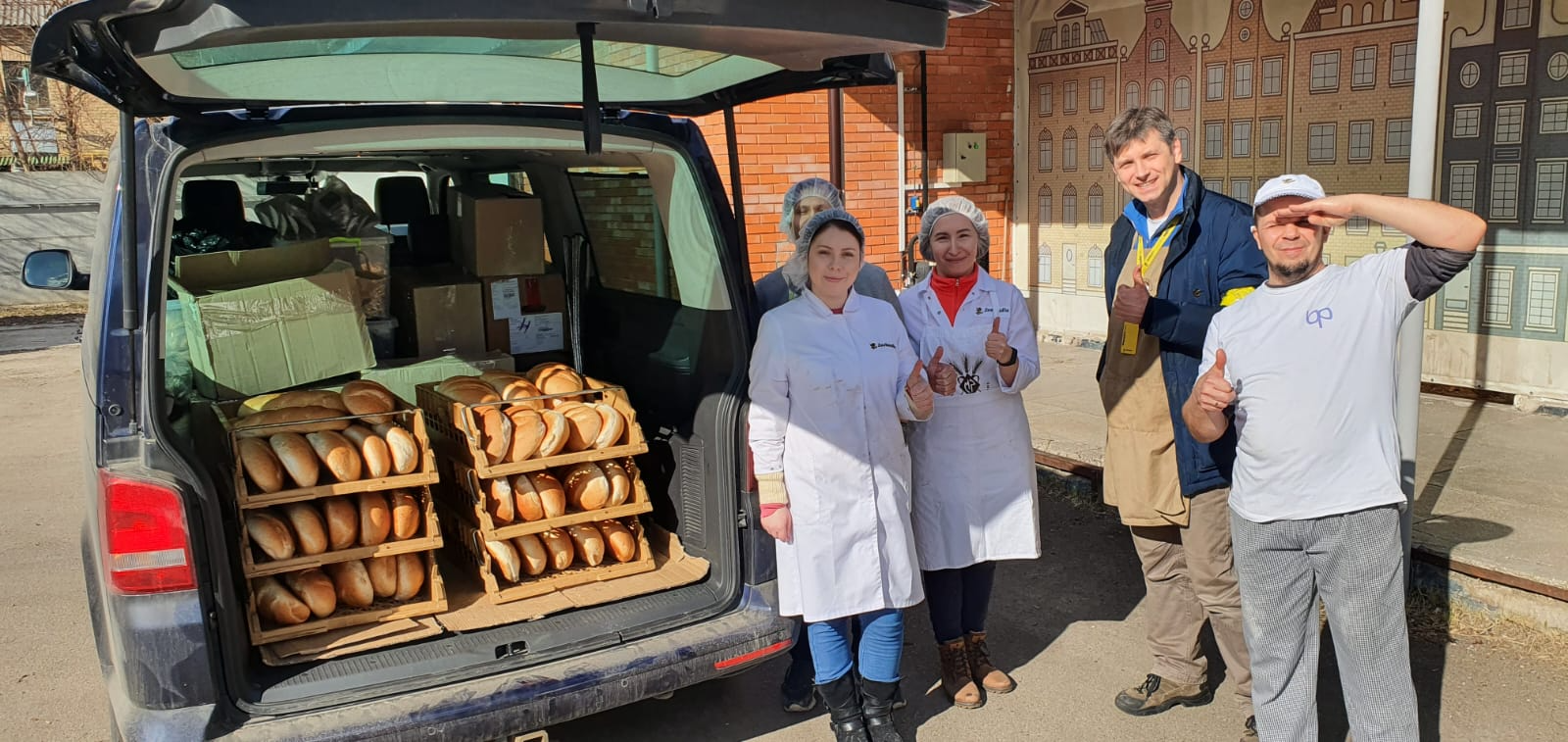
When Russian attacks broke out in February, a family worked together to make sure that people were fed.
Bordi moved to the United States from Ukraine with her mother when she was six-years-old in hopes of a better life, she said. Now, she’s most concerned about her grandparents back home.
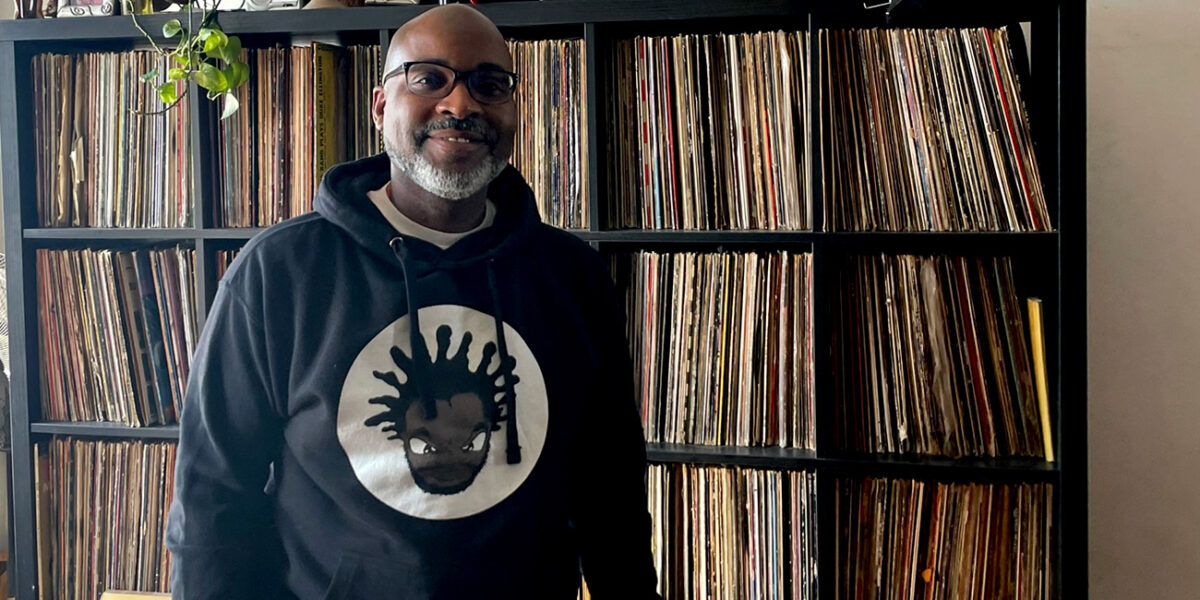
Courtland Hankins stands in front of his record collection in his Bronx studio. (Credit: Louise Vallée) On a recent Monday, it seemed everyone in Mott Haven, in the Bronx, was driving along the Major Deegan Expressway. Steering a 2002 Hyundai that used to be black and
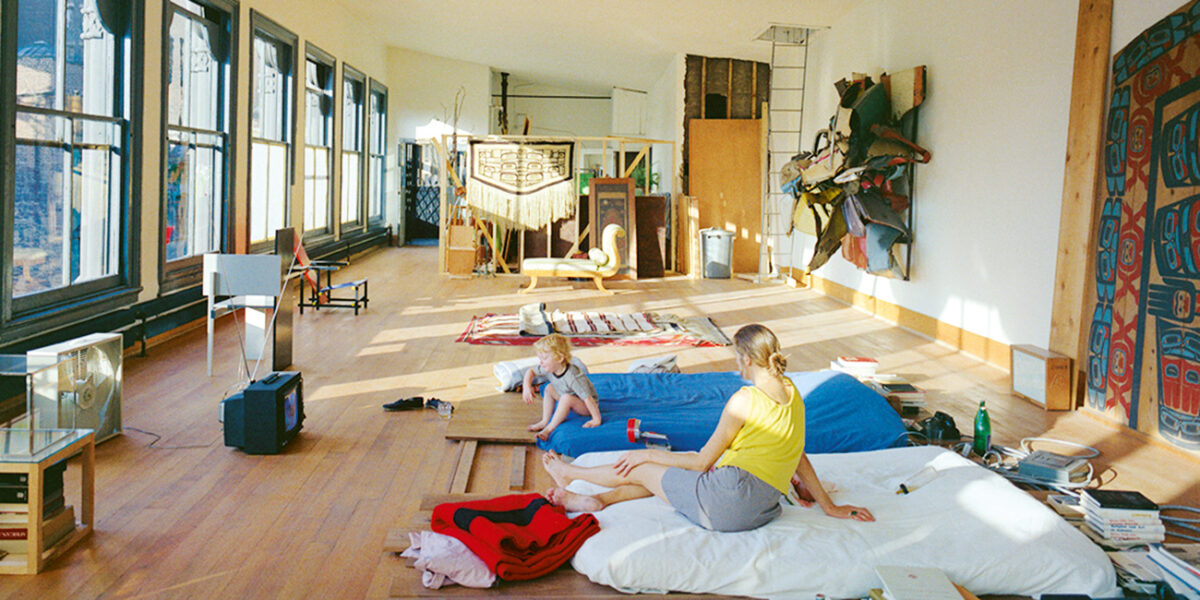
An upzoning plan is putting SoHo at a crossroads, but artists and residents are still striving to make a difference.
An emerging DJ scene in Brooklyn embraces musicians from the LGBTQ+ community.
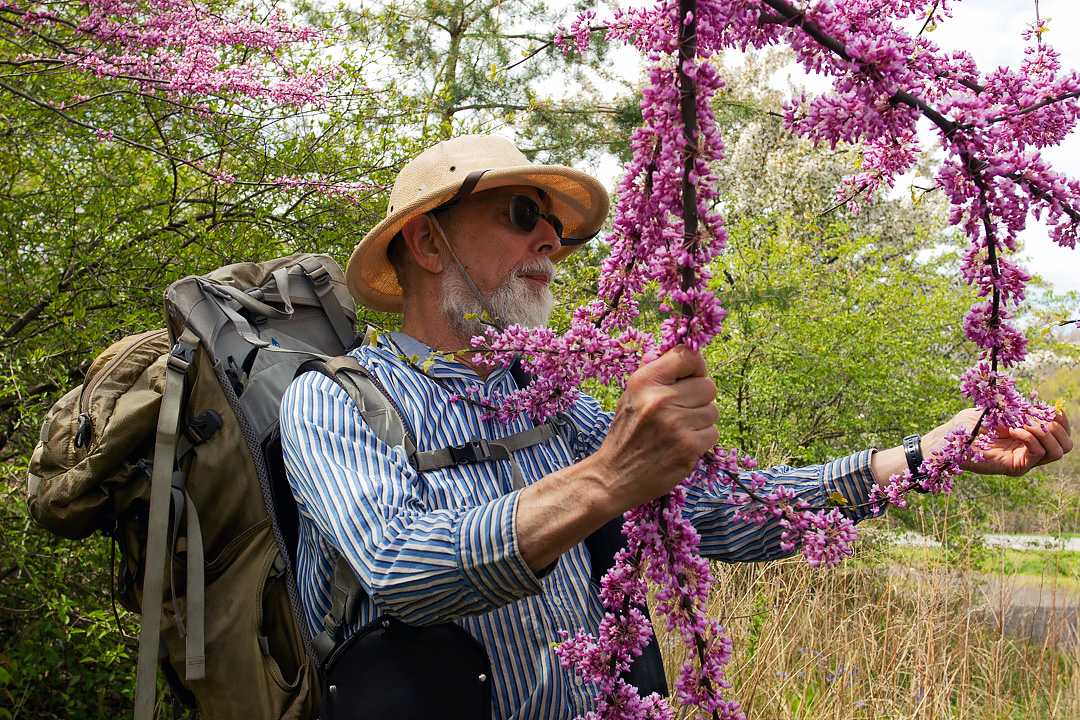
New Yorkers rediscover nature around them amid rising concerns of food security, sustainability.
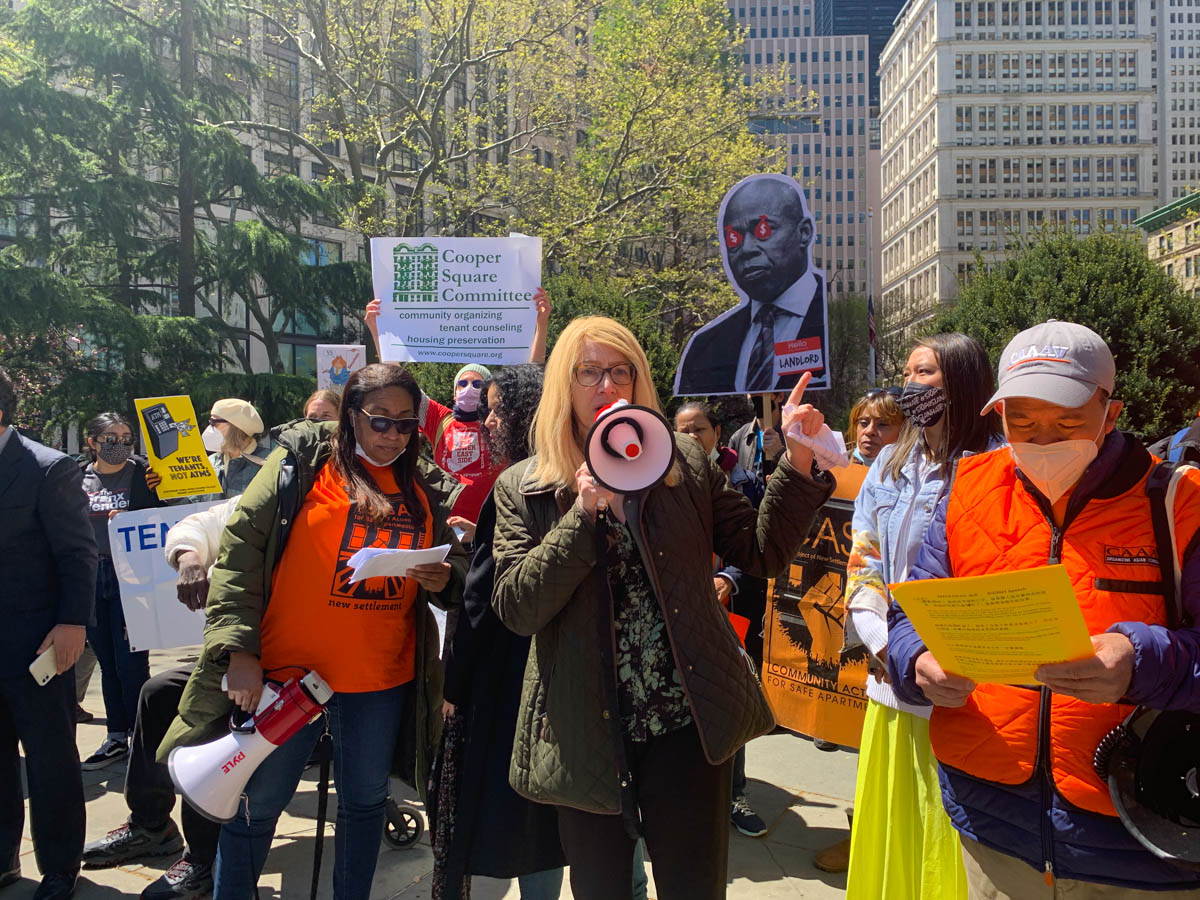
Tenant advocates are distressed over proposals to increase rents on stabilized units.
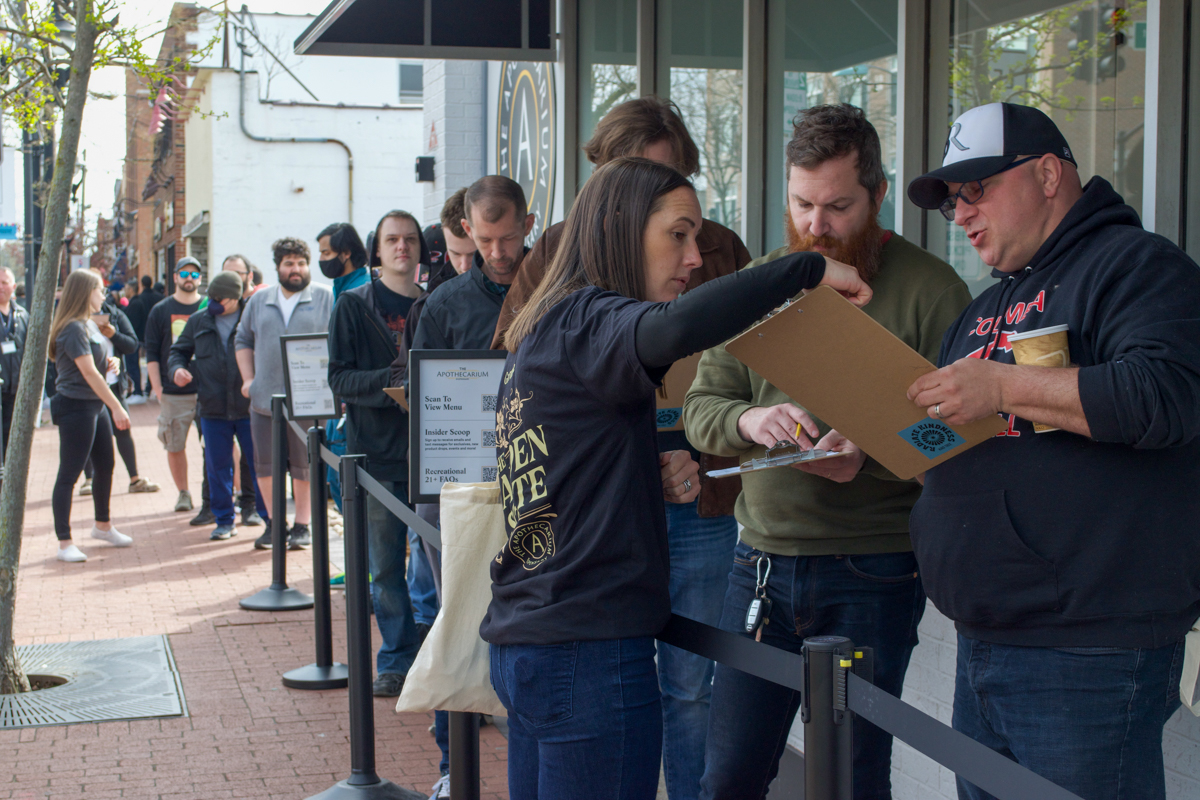
All adults 21 and older can now legally purchase cannabis at 12 dispensaries in the state.
A Columbia student leader met with university officials in an effort to increase feelings of inclusion on campus.